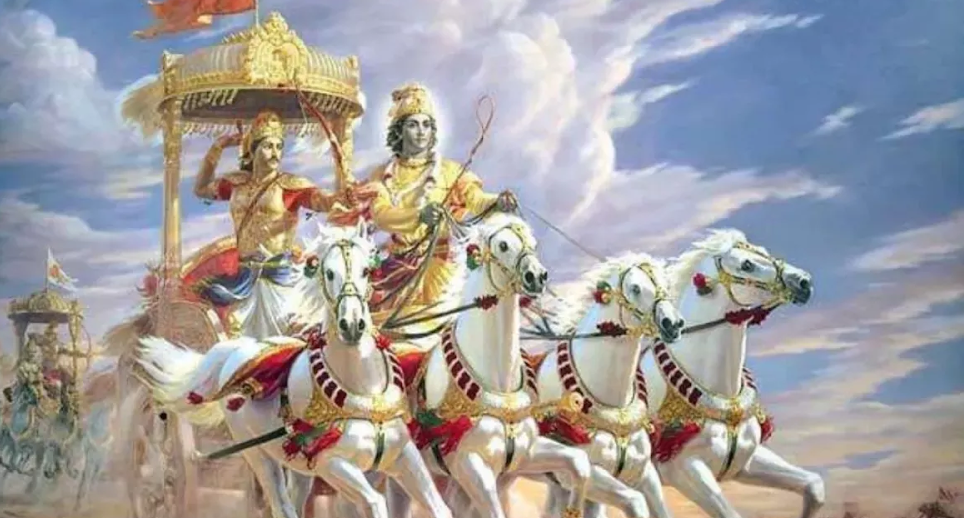
Pravah — The Flow Towards Growth, Self-Discovery, and Transformation
"The wise see that there is action in the midst of inaction and inaction in the midst of action. Their consciousness is unified, and every act is done with complete awareness."
— Bhagavad Gita 4.18
In today’s fast-paced world, finding moments of inner calm and self-discovery can be challenging. Yet, these moments are essential for personal growth and healing. This is where the concepts of flow and transformation come into play, inviting us to tune into our inner rhythms and align with the natural course of our lives. The verse from the Bhagavad Gita conceptualized this beautifully, emphasizing a state of flow where one acts with complete awareness and harmony, allowing growth and transformation to occur naturally. This embodies the essence of Pravah.
Understanding Flow and Its Philosophical Roots
The concept of "flow" was popularized by psychologist Mihály Csíkszentmihályi, who described it as a mental state of deep immersion where one is fully absorbed in an activity with an energized focus. In this state, time seems to slip away, and we become fully present, connected to ourselves and our work. Experiencing flow allows us to push boundaries, unlock creativity, and approach life with renewed energy.
Pravah, or flow, has roots in various philosophies that contribute to modern psychological practices, forming a core element of expressive art therapy. Let’s explore a few key philosophical concepts that provide stepping stones toward mental health advancements.
The Bhagavad Gita: Selfless Action and Inner Alignment
The Bhagavad Gita, a revered Hindu scripture, highlights the importance of karma yoga, the yoga of selfless action. It teaches that true fulfillment comes not from focusing on outcomes but from fully dedicating oneself to each action, free from attachment to results. This perspective aligns with the concept of flow, where immersion in the present moment becomes a source of fulfillment and growth. The Gita encourages a shift from ego-driven goals to purposeful living, promoting inner transformation that fosters both personal and spiritual growth.
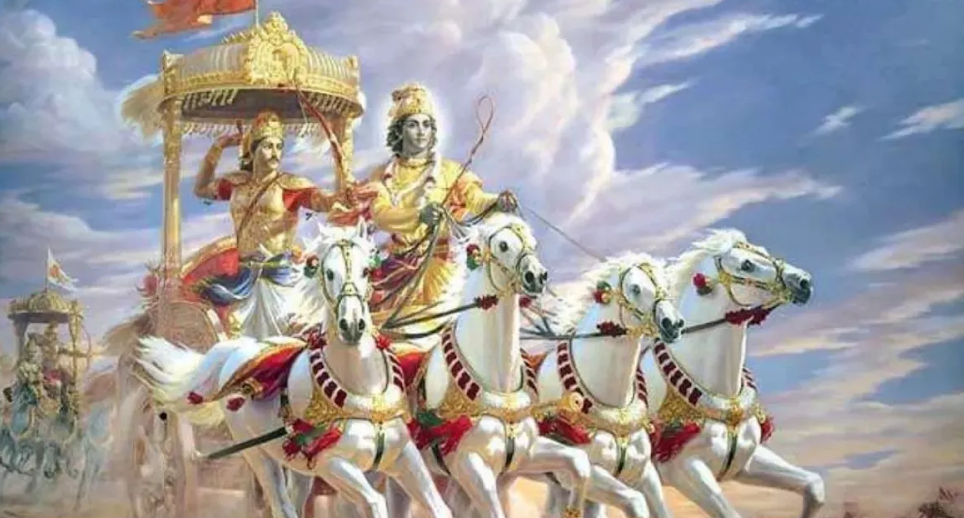
This wisdom aligns with psychological findings, which suggest that people who engage in self-transcendent practices—balancing their own needs with the needs of others—experience greater well-being. These individuals tend to be more resilient, adaptable, and capable of navigating life’s challenges with grace.
Buddhism: Embracing Impermanence and the Art of Letting Go
.png)
Buddhism teaches that life is in a constant state of change and that transformation is inherent in every moment. The concept of anicca (impermanence) encourages us to embrace life’s natural shifts rather than resist them. Buddhism also emphasizes mindfulness—being fully present and aware of thoughts, feelings, and actions without attachment. This state of mindfulness is crucial for achieving flow, allowing us to engage fully in activities with an open, receptive mind.
Scientific research on mindfulness and flow supports these teachings, revealing that people who practice mindfulness regularly experience enhanced focus, emotional regulation, and resilience. These benefits foster a sense of inner calm and clarity, essential for navigating the continuous ebb and flow of transformation.
Ikigai: Finding Purpose and Embracing Flow
.png)
The Japanese concept of ikigai, or “a reason for being,” suggests that true happiness comes from deeply engaging in meaningful activities. Traditionally, ikigai is found at the intersection of what you love, what you are skilled at, what the world needs, and what you can be rewarded for. This philosophy shows that when we experience flow—fully immersed in activities that align with our purpose—we feel a sense of timelessness, peace, and self-transcendence. Here, flow is not just about productivity but about creating harmony between the self and one’s purpose.
Japanese culture reveres flow as an essential state that allows individuals to connect with their ikigai, bringing joy to everyday moments and fostering a fulfilled life. Research supports this notion, indicating that individuals who frequently experience flow report higher life satisfaction, better health, and reduced stress and anxiety.
Modern Research: Backing Ancient Wisdom with Science
Contemporary neuroscience supports these ancient teachings, demonstrating that flow and mindfulness practices significantly benefit mental health and cognitive function. During a state of flow, the brain experiences transient hypofrontality, where self-conscious thoughts subside, enabling creativity and problem-solving to flourish. Studies on expressive arts further reveal that creative engagement boosts dopamine levels, enhancing mood, motivation, and overall life satisfaction.
.png)
Moreover, research into self-transcendent practices, including karma yoga and mindfulness, shows that individuals who nurture purpose and compassion develop increased psychological resilience. These practices are linked to lower cortisol levels, improved immune function, and better mental health overall.
Expressive Arts: A Pathway to Self-Discovery and Healing
.png)
For those drawn to expressive arts, flow can feel like a dance between the conscious and subconscious mind, opening pathways for insight and expression. Through creativity, we access our inner landscapes, revealing emotions and thoughts that might remain hidden. Engaging in expressive arts allows for non-verbal exploration of experiences, helping individuals connect with their ikigai and gain deeper self-understanding.
Creative practices such as painting, music, dance, and writing provide a safe space to engage in flow and transformation. Research shows that expressive arts therapy can reduce anxiety, improve emotional regulation, and enhance resilience. This creative engagement stimulates neuroplasticity, allowing the brain to adapt and change—essential for personal transformation.
Embracing Flow and Transformation in Everyday Life
Cultivating flow and transformation doesn’t require extraordinary talent or tools; it begins with creating space for presence and curiosity. Here are some practices to get started:
.png)
Flow and transformation are not end goals but ongoing journeys. By blending ancient wisdom with expressive arts and modern science, we can create a life rooted in purpose and awareness. True fulfillment comes from inner harmony and openness to life’s constant evolution. Through mindful engagement and creative expression, we move closer to self-discovery, healing, and transformation—building a life that feels whole, present, and true to our deepest selves
References
- Csikszentmihalyi, M. (1990). Flow: The psychology of optimal experience. Harper & Row.
- Bhagavad Gita. (2000). Bhagavad Gita as it is (A. C. Bhaktivedanta Swami Prabhupada, Trans.). The Bhaktivedanta Book Trust. (Original work published ca. 500 BCE)
- Kabat-Zinn, J. (1990). Full catastrophe living: Using the wisdom of your body and mind to face stress, pain, and illness. Delta.
- Lomas, T. (2016). Positive psychology—a critical introduction. Positive Psychology, 5(3), 44-55.
- Nakamura, J., & Csikszentmihalyi, M. (2009). Flow theory and research. In S. J. Lopez & C. R. Snyder (Eds.), Oxford handbook of positive psychology (2nd ed., pp. 195–206). Oxford University Press.
- Ryff, C. D., & Singer, B. (1998). The contours of positive human health. Psychological Inquiry, 9(1), 1–28.
- Williams, M., & Penman, D. (2011). Mindfulness: An eight-week plan for finding peace in a frantic world. Rodale.
- Yamamoto, T., & Ohsawa, T. (2017). Ikigai: The Japanese secret to a long and happy life. Penguin Books.
- Zhao, Y., Li, J., & Ding, M. (2019). Neuroscientific perspectives on mindfulness and flow states. Frontiers in Psychology, 10, 834. https://doi.org/10.3389/fpsyg.2019.00834